
What to Expect From a cluster win reaction slot machine During a Winning Run
If you have spent any time around promotional campaigns for online games, you know the difference between a flashy mechanic and one that actually keeps players coming back. A cluster win reaction slot machine leans on that second kind of engagement, rewarding adjacent symbol groups rather than rigid paylines, and the visual feedback after each cascade is where the real retention work happens. I have structured affiliate and influencer programs long enough to spot when a mechanic is built for genuine session length versus a quick sign-up spike, and this style of payout structure usually sits in the former camp when the operator presents it honestly. For a clear picture of how one operator frames its overall offer, you can read the breakdown at https://casumo-review.com/ before you decide where to spend an arvo.
How the mechanic actually reads on the floor
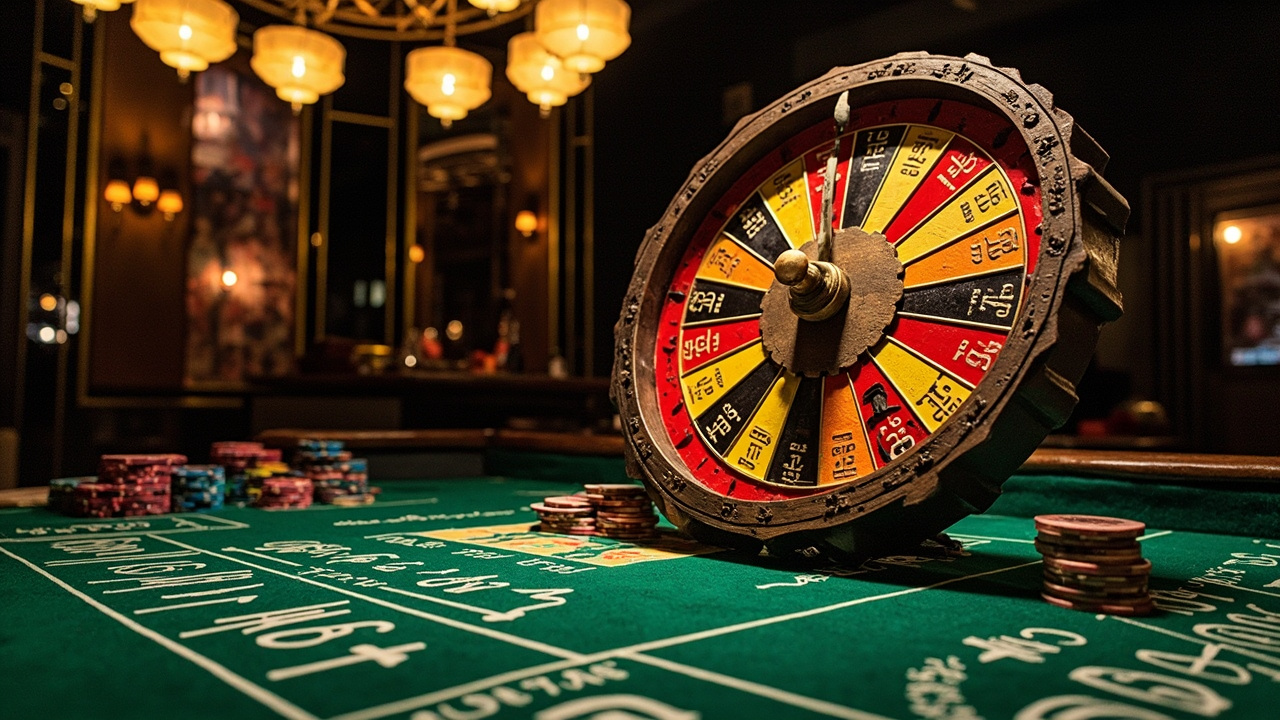
The core idea is simple: instead of chasing a specific line across the grid, you are watching for matching symbols that touch side by side or top to bottom, and when that cluster clears, the remaining pieces drop down to fill the gaps. That is the moment most players notice first, because the screen usually responds with a quick animation, a sound cue, and sometimes a small multiplier step that carries into the next fall. From a partnerships standpoint, I have seen both publisher and advertiser sides of this, and on the brand’s platform the operators that treat the reaction sequence as a genuine pacing tool tend to hold attention better than those that slap on extra noise just to look busy.
Two things separate a well-tuned cluster win reaction slot machine from a rushed one. First, the reaction itself needs to feel proportional to the win size, so a modest cluster does not trigger the same screen takeover as a larger chain, and second, the drop-and-fill timing has to stay readable on a phone screen without turning the grid into a blur. When those pieces line up, everyday usability improves because players can actually track what changed between spins rather than guessing from a single flash. That matters for session design, and it is the kind of detail I look for when judging whether a campaign will age well past the first promotional push.
Reading the reaction sequence without overcomplicating it
Step one: watch the grid before you chase the flash
Start by treating the first few minutes as observation rather than attack mode. Look at how symbols land, note which values tend to sit next to each other, and pay attention to the reaction timing after each clear so you can get a feel for the pace before you decide whether the session is worth extending. If you are brand new to this style, the easiest way to approach it is to follow a short routine instead of trying to read everything at once.
- Open the game on a stable connection and let the first few spins run without adjusting your stake, just to see how the grid behaves on its own.
- Notice which symbol types cluster most often and whether the reaction animation stays brief or stretches out after bigger clears.
- Check the paytable or info panel so you know what each symbol value represents, because the reaction looks more meaningful when you can tie it back to actual value.
- Keep your first stake modest and treat the early session as a read on pacing, not a test of whether the screen will hand you a win.
- If the reaction feels consistent and the grid stays readable on your device, you can settle in for a longer look; if it feels noisy or hard to follow, there is no shame in closing it and moving on.
That routine keeps you from mistaking a loud animation for a better chance of anything, which is the trap I see new players fall into when a mechanic looks polished but has not been explained in plain terms. I have reviewed campaign creative from both sides of the table, and the programs that survive longest are the ones that teach the mechanic honestly rather than selling it as a shortcut.How Slot Clusters Shape the Search
Step two: separate the reaction from the result
A cluster win reaction slot machine can look generous in the moment and still leave you with a normal outcome, so the useful habit is to read the reaction as feedback on what just happened rather than a promise about what comes next. The drop-and-fill sequence, the sound cue, and any small multiplier step are all part of the same presentation layer, and they are designed to make the clear feel satisfying without changing the underlying maths. When you keep that distinction in mind, you stop reacting to every animation as if it is a signal and start treating the session as a sequence of independent moments.
That is also where the operator’s presentation choices matter most. A tidy reaction sequence helps you understand what cleared and what stayed, while an overproduced one can obscure the grid long enough to make the whole thing feel less transparent. I have seen affiliate landing pages that lean too hard on the spectacle side, and from a publisher perspective that usually hurts trust faster than it helps conversion, because players notice when the presentation outruns the actual information on offer.
Where the focus fits a regular Australian player
For an Australian player looking at a cluster win reaction slot machine, the practical question is less about novelty and more about whether the session rhythm matches how you actually want to spend a quiet stretch of time. The mechanic suits someone who likes visual feedback and does not mind watching the grid rearrange itself, but it is less appealing if you prefer a clean line-based read or want every spin to feel identical. That is a legitimate trade-off, not a flaw, and it is worth weighing before you commit to a longer session.
It also helps to keep the wider context in view. Gambling can creep up on people, and if the pace of a cluster-style session starts feeling harder to manage, organisations like Gamblers Anonymous operate support meetings across Australian cities and towns, which is a practical option worth knowing about before you need it. On the operator side, there is a reason some counters get pushed out early: casinos may « shuffle up » early to disrupt a counter’s advantage, and while that phrase comes from a different kind of game, the underlying point is the same here, namely that presentation and pacing can be adjusted to change how a session feels. Charlotte Wright, Head of Analytics, Southern Capital Advisory, puts the caveat plainly: « The reaction layer can lift engagement, but it should never be mistaken for a change in expected value. »
That is the kind of judgement call I make all the time when assessing whether a mechanic is being sold fairly. A cluster win reaction slot machine can be a solid fit for the right player, but only when the operator is clear about what the reaction is doing and what it is not doing, and only when the player treats the session as entertainment with a real cost attached.
If you are weighing where this style fits, the honest read is that it works best for players who enjoy the visual rhythm of a clearing grid and are comfortable treating each cascade as a moment of feedback rather than a sign of what comes next. The ones that hold up are built around readable reactions, consistent pacing, and a paytable that actually explains what you are watching, which is why I tend to judge this category by how plainly it presents itself rather than by how loud the animation gets.
